Energy efficiency
Energy efficiency in pump and water systems
We measure first, then renew the pump, motor and control system. In Niğde, monthly electricity consumption for the same volume of water fell by 36%.
Energy efficiency
We measure first, then renew the pump, motor and control system. In Niğde, monthly electricity consumption for the same volume of water fell by 36%.
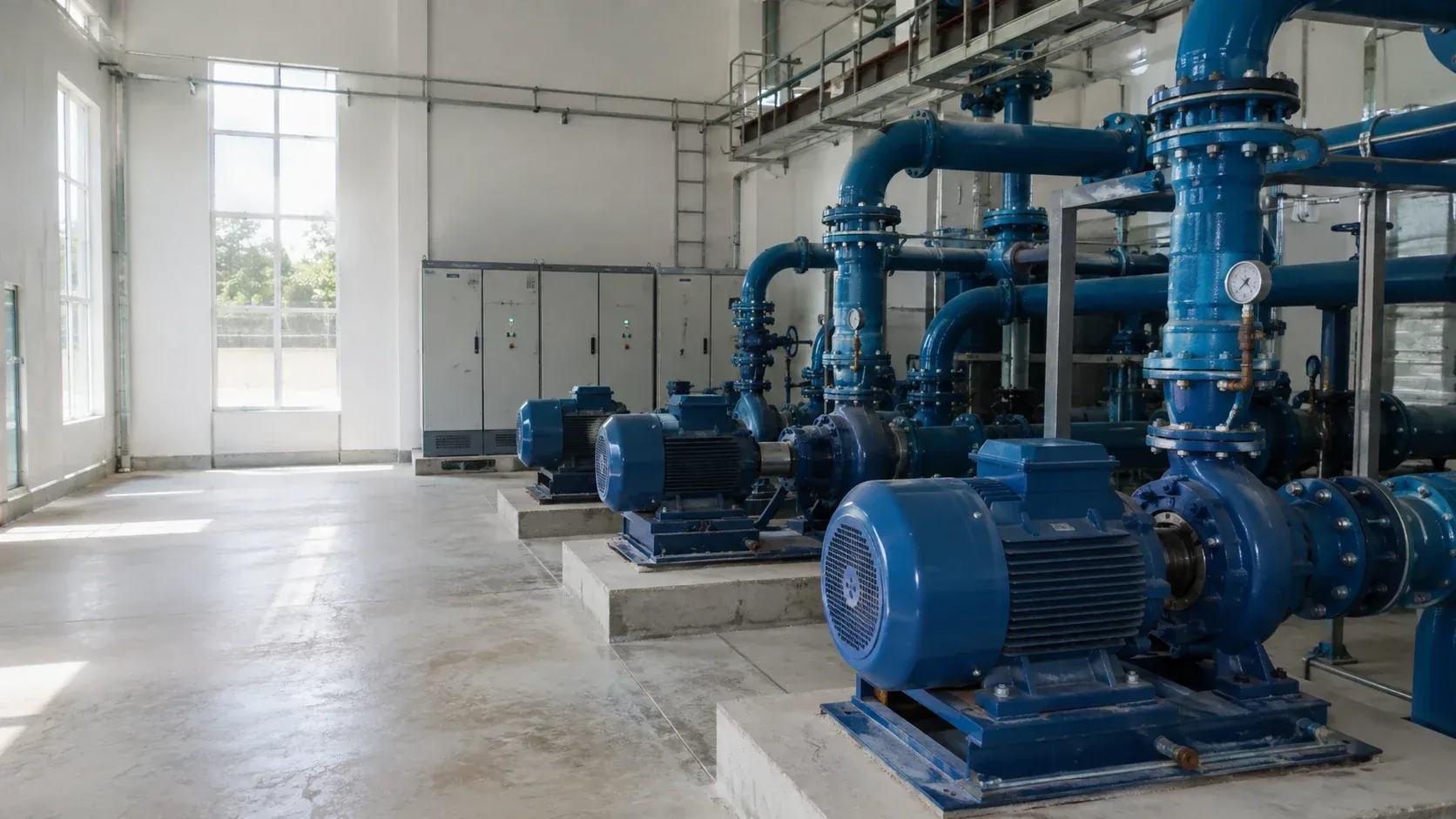
Current operating conditions in pump systems are often overlooked.
You need to choose the right system, and you also need to monitor its efficiency values continuously, or at least at regular intervals.
We use specialist measuring instruments to take readings and determine efficiency under the operating conditions at the time of measurement. We determine whether there is a problem and, if there is, recommend suitable solutions.
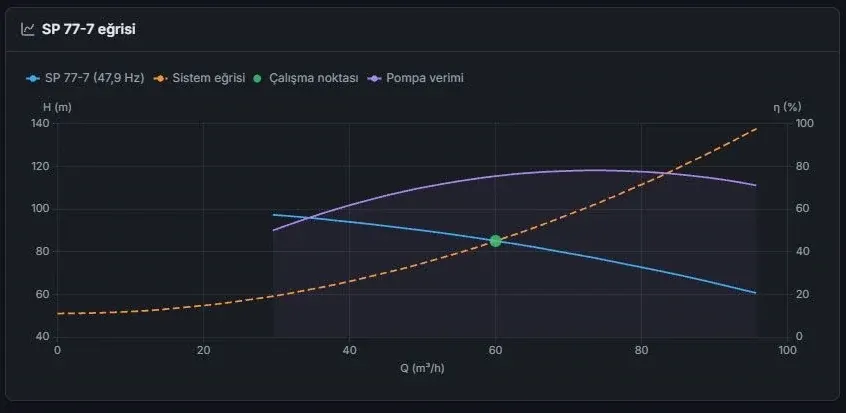
Based on the measurement results, we provide feasibility reports for all of your system upgrades.
We deliver turnkey solutions based on the upgrades required. The pumps and motors, fittings, valves or pipe connections of water wells can be replaced. Our solutions include electrical and electronic control devices and communication systems; central monitoring is provided by Predixi WIS, which works with Metirius devices. On suitable projects, cloud-based central monitoring can also be considered.
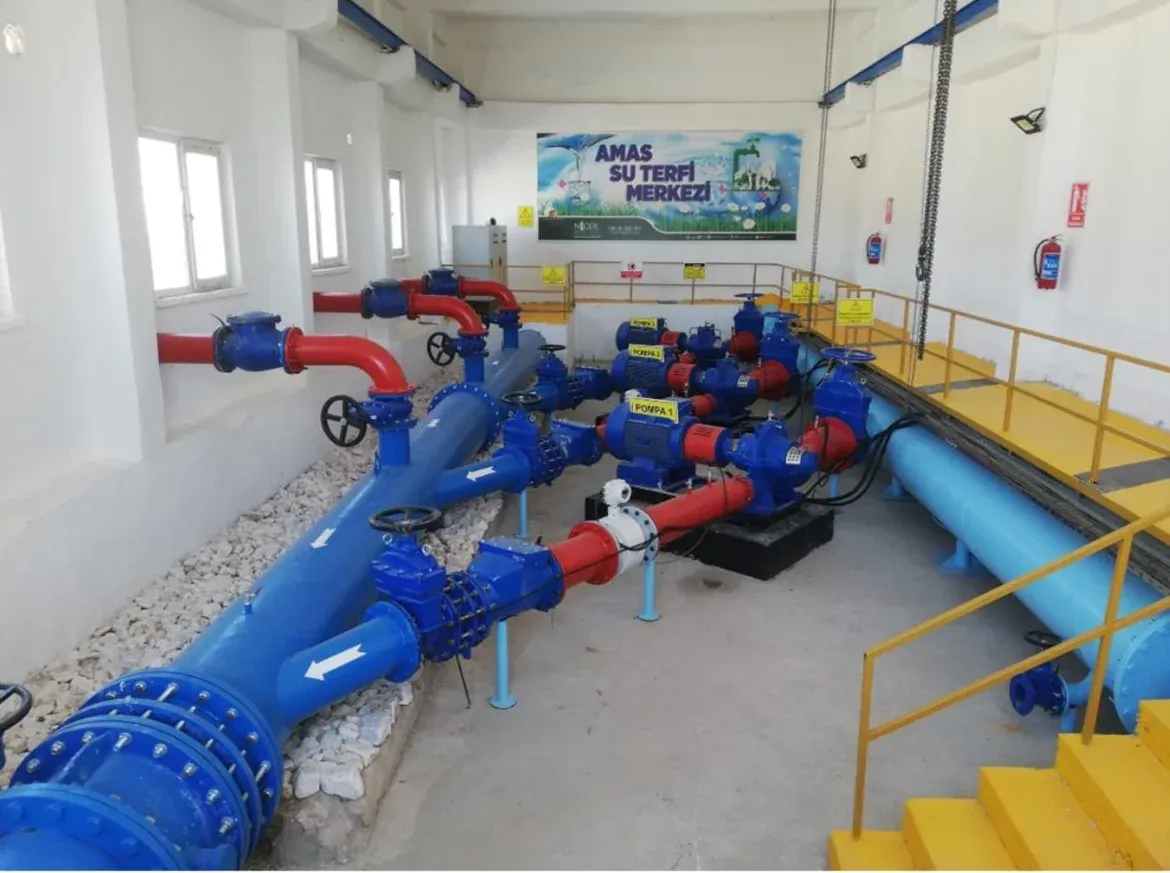
We can deliver solutions for water wells, water reservoirs, pumping stations and pipelines. We work for municipalities, irrigation cooperatives, industrial plants and farmers.
These are potentials. Actual results are verified against the measurements taken in the initial period and depend on the condition of the system and the scope of work.
Each project is tracked against a baseline period established by the initial measurements.
| Gain | Measured indicators |
|---|---|
| Energy efficiency | Total kWh, kWh/m³, operating point |
| Water savings | Water balance, m³/day, loss rate |
| Labour efficiency | Response time, site visits, fault duration |
| Operating cost | Maintenance, energy, total cost of service (₺/m³) |
| Carbon reduction | Reduction in electricity consumption × emission factor for the period |
The problem public bodies and private businesses share: high electricity bills.
We offer flexible payment terms for energy efficiency projects. On suitable projects, the return on investment is tied to the measured energy savings. Under the long-term service model, the utility’s operating expenses can potentially be reduced by up to 90%.
Alongside pump and motor overhauls and system automation, projects that target water losses allow the utility to save water as well as energy.
Drives regulate motor speed, with the aim of better process control and maximum savings.
We supply high-efficiency permanent-magnet (PM) motors for your water wells.
The rotors of these motors carry neodymium magnets, which sets them completely apart from conventional motors with squirrel-cage rotors. High efficiency also means lower operating temperature and a faster return on investment.
The first step in water’s journey is bringing it to the surface.
Once a water well has been drilled, the water is delivered to the user efficiently. For efficiency, the water is measured and the right pump is selected.
With a Metirius control device, changes in the well’s water over the year are monitored and the well is kept running efficiently.
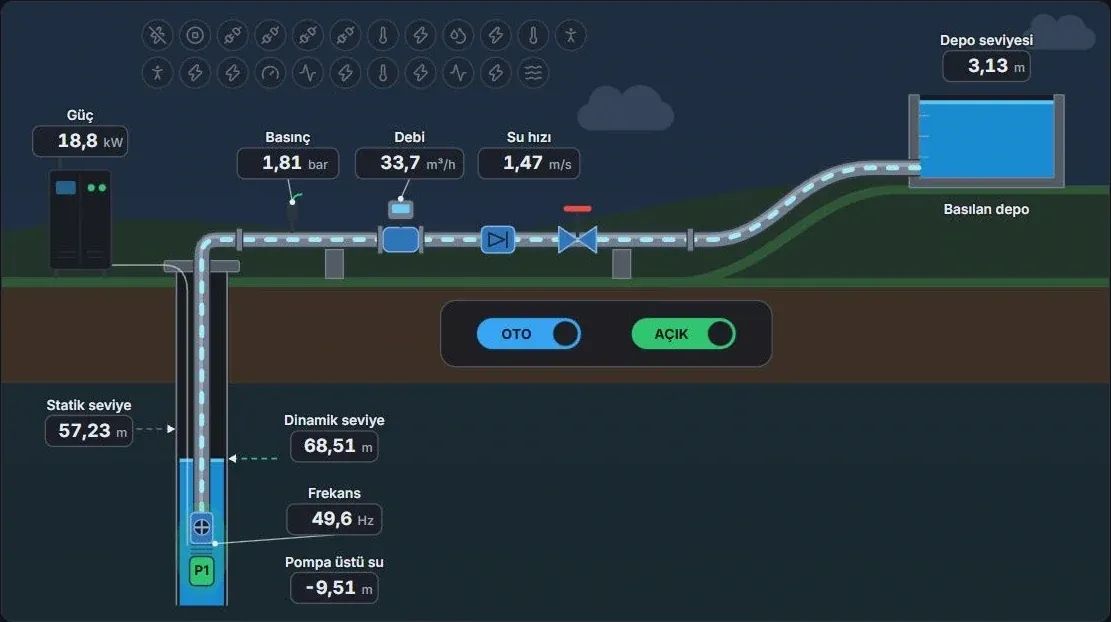
From the pumping station to network pressure: efficiency opportunities all along the water’s route.
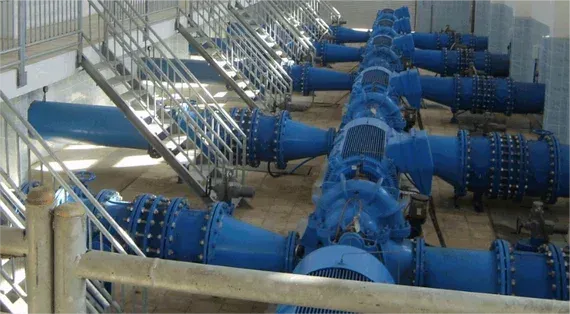
The wrong pump and motor selection, and motors running non-stop with no standby, shorten service life and waste energy. Precise measurements are used to select the right pump and motor assembly, and the motors are controlled by drives according to the level of the reservoir receiving the water. Wear is spread evenly across the motors. During peak tariff hours, pump running time can be reduced while the reservoir level is maintained; this schedule can deliver additional savings on electricity costs.
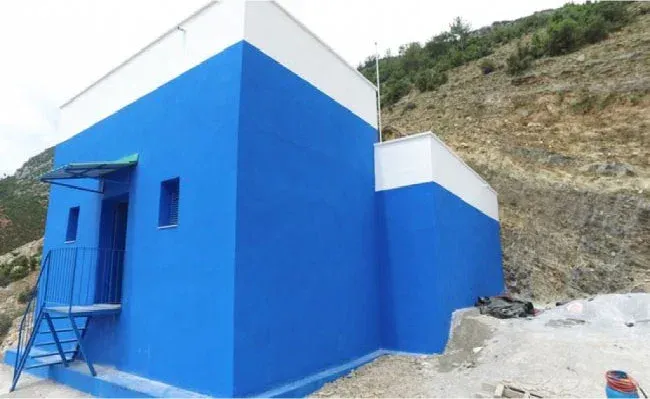
The pumps feeding the reservoir start and stop automatically with reservoir monitoring systems, so the level stays under constant control. Chlorine is dosed to keep the stored water potable, and pH, turbidity, conductivity and chlorine are measured.
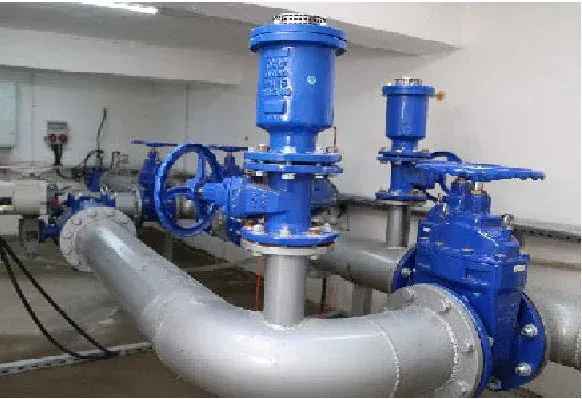
Elevation differences and a highly branched network of user connections cause pressure to vary; high pressure damages the line and causes water loss. Pressure control systems are installed at points identified by measurement, and monitoring systems placed at the end point verify their operation.
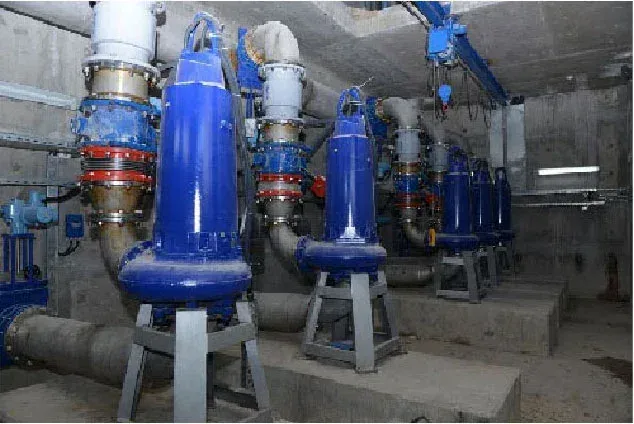
Wastewater must be conveyed correctly to treatment plants so that it can be reused. We build wastewater lift stations that need minimal service and maintenance, and configure their control systems for long service life.
Water pumps are used in many industrial plants. These are some of the applications where we have carried out efficiency work.
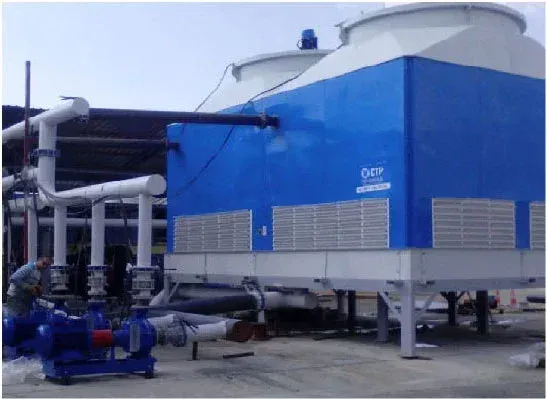
Pumps circulate the water in the cooling tower. The system is measured, the most suitable pump is selected and installed, and pump and control settings are determined by field measurements and the way the system operates.
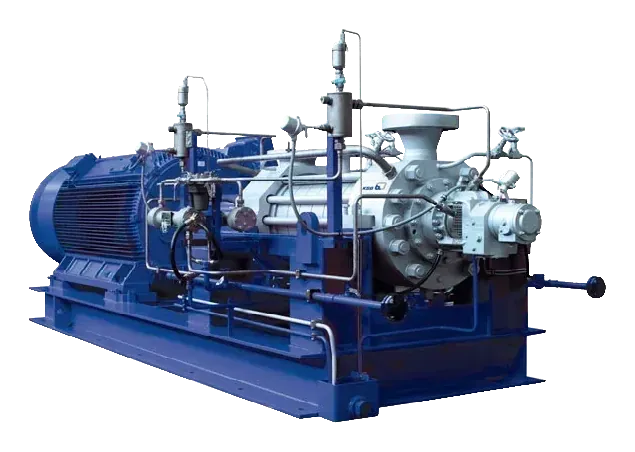
These costly pumps are expected to run stably with periodic maintenance and without frequent replacement. Correctly selected, they cut operating costs and maintenance downtime. With our team of expert engineers we carry out the analysis, renew systems as needed and deliver turnkey work including automation.
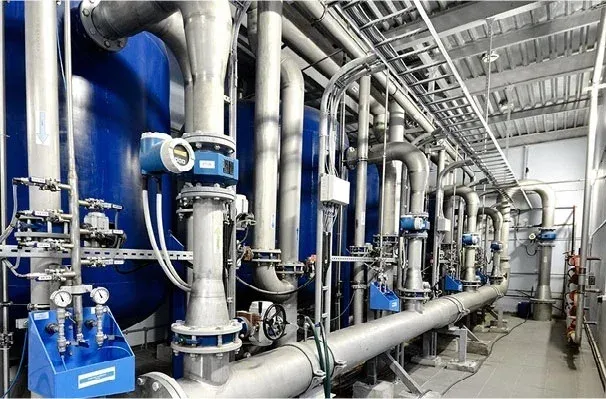
Circulation pumps deliver heated or chilled system water to the heat distribution points at the required flow rate. Poor design can lead to recurring failures and to the system having to be replaced. We deliver projects that use variable-frequency drives (VFDs) to keep pumps at a suitable operating point.
Let’s start by measuring where your pump systems stand today.